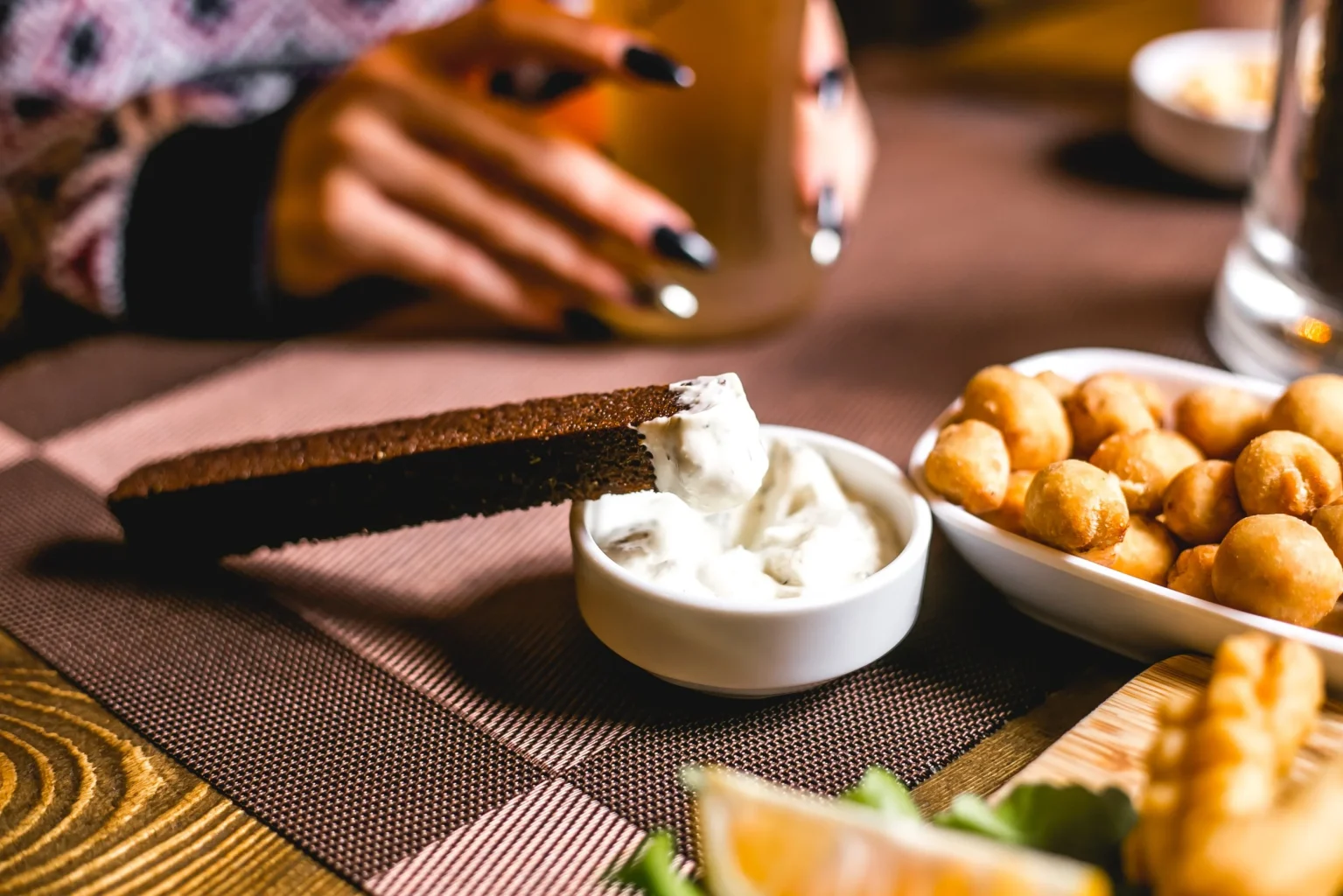
The True Spanish Alioli: Garlic, Oil, Salt – No Egg Needed
In the vibrant tapestry of Spanish cuisine, few condiments hold as much cultural significance and culinary power as alioli. Often mistakenly grouped with its French cousin or modern, egg-laden variants, the authentic Spanish alioli stands apart in its magnificent simplicity and historical purity. This is not just a sauce; it's a testament to the Mediterranean tradition of transforming a handful of potent ingredients into a creamy, aromatic emulsion that elevates countless dishes. Forget the idea that you need an egg to achieve that perfect consistency; the true spirit of alioli, or all-i-oli as it's known in its native Catalan, lies in a triumphant trio: garlic, olive oil, and a touch of salt. The name itself, a direct translation of "garlic and oil," speaks volumes about its heritage. Originating from the eastern coast of Spain, this powerful condiment has graced tables for centuries, its pungent, invigorating flavour becoming synonymous with the region's culinary identity. While modern adaptations might introduce ingredients like lemon juice or egg yolk – perhaps to temper its intense garlic kick or create a more stable emulsion – to truly experience Spanish alioli, we must return to its elemental form.What is True Spanish Alioli? Unpacking a Culinary Legend
To understand the essence of traditional Spanish alioli, we must first appreciate its lineage. This isn't just another garlic mayonnaise; it's a distinct creation born from necessity and ingenuity. Historically, the absence of refrigeration meant ingredients needed to be robust and shelf-stable, and the properties of garlic and olive oil fit this perfectly. The magic of alioli isn't just in its flavour; it's in the transformation of these humble components into a rich, creamy sauce through sheer mechanical force and a deep understanding of emulsification. Many people confuse alioli with a simple garlic mayonnaise. While both are emulsions, the key differentiator for authentic alioli is the deliberate exclusion of egg. The egg yolk, a natural emulsifier, makes commercial or modern aioli incredibly stable and easier to produce rapidly. However, traditional alioli achieves its desired texture through the gradual release of garlic's own natural oils and the slow incorporation of extra virgin olive oil. This process, while demanding patience, yields a unique texture and a more intense, unadulterated garlic flavour that truly sings. It's a sauce that doesn't just complement a dish; it often defines it, whether drizzled generously over a plate of crispy patatas bravas, accompanying fresh grilled seafood, or served alongside a hearty paella. The robust, pungent aroma of freshly made alioli is a sensory signature of Spanish kitchens, a fragrant reminder of tradition and the profound respect for quality ingredients.The Health-Conscious Choice: Beyond Just Flavor
Beyond its incredible taste and culinary versatility, traditional Spanish alioli offers a surprising array of health benefits, thanks to its minimalist yet powerful ingredient list. In an era where "clean eating" and natural remedies are highly valued, this ancient condiment stands out as a genuinely wholesome addition to any diet. The beauty of its simplicity is that each component contributes significantly to your well-being. Let's break down the triumvirate: * Garlic: Often referred to as "nature's antibiotic," fresh garlic is packed with compounds like allicin, which are renowned for their immune-boosting properties. It has been studied for its potential to lower blood pressure, reduce cholesterol, and even possess anti-inflammatory effects. When crushed in a mortar and pestle, these beneficial compounds are released, making them readily available. * Extra Virgin Olive Oil (EVOO): The cornerstone of the Mediterranean diet, high-quality extra virgin olive oil is a powerhouse of antioxidants, particularly polyphenols, which combat free radicals in the body. It's also a source of healthy monounsaturated fats, known for their cardiovascular benefits. Using cold-pressed EVOO ensures you're getting the maximum nutritional value and a superior flavour profile. * Sea Salt: While salt should always be consumed in moderation, unrefined sea salt contains a spectrum of trace minerals that are often stripped from highly processed table salt. These minerals play crucial roles in various bodily functions, from nerve transmission to fluid balance. When combined, these ingredients create a synergistic blend that is not only delicious but also contributes to overall health. It's a testament to how traditional foods often contain inherent wisdom about nutrition and well-being. To delve deeper into the wellness aspects of this incredible sauce, explore how these ingredients Unlock the Power of Traditional Aioli: Flavor & Health Benefits.The Art of Emulsion: Crafting Alioli the Traditional Way (Mortar & Pestle)
Making authentic Spanish alioli is less about following a rigid recipe and more about embracing a meditative, sensory experience. The mortar and pestle isn't just a quaint kitchen tool; it's absolutely essential for achieving the distinct texture and profound flavour of traditional alioli. This method allows you to gently bruise the garlic, releasing its potent oils and aromas without over-processing, which a blender or food processor simply cannot replicate. The goal is not to chop, but to *extract*. Here’s how to master this ancient craft:Ingredients You’ll Need:
- 4-5 large cloves of fresh garlic
- Approximately 1/2 cup (120ml) high-quality extra virgin olive oil
- A generous pinch of sea salt
The Traditional Method:
- Prepare the Garlic: Begin by peeling your garlic cloves. For a milder flavour and easier digestion, it’s highly recommended to cut each clove in half lengthwise and carefully remove the green germ (the core) if present. This small step can significantly reduce the bitterness and the infamous "garlic breath" often associated with raw garlic.
- Initial Pound and Paste: Place the prepared garlic cloves into your sturdy mortar. Start to pound them vigorously with the pestle. Don’t rush this. Initially, you’ll aim for a rough, crushed consistency. Add a good pinch of sea salt – the coarse salt crystals aid in breaking down the garlic fibres and act as an abrasive. Continue pounding and grinding until you achieve a smooth, almost translucent paste. This stage is crucial; the smoother the garlic paste, the easier it will be to emulsify the oil.
- The Emulsification Dance: Now comes the part that requires patience and rhythm. Begin adding the extra virgin olive oil, not in a stream, but literally *drop by slow drop*. With your other hand, continuously rotate the pestle against the sides of the mortar, incorporating the oil into the garlic paste. The key is to add the oil so slowly that each drop is fully absorbed before the next is introduced.
- Build the Creaminess: As you continue to add oil, drop by drop, and rotate the pestle, you’ll witness a magical transformation. The garlic paste will gradually thicken, lighten in colour, and become wonderfully creamy. It’s a delicate balance; if you add the oil too quickly, the emulsion can "break," and the sauce will separate. If this happens, don't despair! You can often salvage it by starting a fresh small garlic paste with a new clove and slowly incorporating the broken alioli into it, drop by drop, as if it were the oil.
- The Final Texture: Keep adding the oil until you achieve a thick, smooth, and creamy consistency that holds its shape. The amount of oil can vary slightly depending on the garlic, the mortar, and your desired thickness. Trust your instincts and the texture you feel.
Chef's Insights:
- Patience is Your Best Ingredient: This is not a fast sauce. Embrace the process. The "love" you put into it truly translates to the final product's texture and flavour.
- Quality of Ingredients: Use the freshest garlic you can find and a high-quality, fruity extra virgin olive oil. The flavour of the oil will shine through.
- Room Temperature Matters: While less critical for egg-free alioli, having ingredients at room temperature generally helps with emulsion stability and ensures the oil doesn't seize.
For a more in-depth visual guide and troubleshooting tips specific to this traditional approach, you might find it beneficial to refer to resources on Mastering Authentic Aioli: The Mortar & Pestle Method.
Beyond the Recipe: Serving & Savoring Your Homemade Alioli
Once you’ve successfully crafted your authentic Spanish alioli, the culinary possibilities are endless. Its robust flavour and luxurious texture make it an incredibly versatile condiment, capable of transforming simple dishes into unforgettable meals. Here are just a few ways to enjoy your homemade alioli:- Classic Companions: This is the undisputed champion alongside patatas bravas, drizzled over grilled meats (especially lamb or chicken), or as a vital accompaniment to fresh seafood like grilled prawns, calamari, or baked fish.
- Vegetable Enhancer: Dollop it generously onto roasted vegetables such as asparagus, bell peppers, or broccoli. It also makes an incredible dip for raw vegetable platters.
- Sandwich Spread: Elevate your sandwiches and bocadillos with a smear of alioli instead of plain mayonnaise. It adds an intense flavour burst.
- Soups and Stews: A small spoonful stirred into a hearty fish stew or a simple vegetable soup can add depth and richness.
- Toast and Tapas: Spread it on toasted baguette slices for a quick and pungent tapa, perhaps topped with a slice of tomato or a sliver of jamón.
